

What Distributors Should Really Consider
In the sports nutrition industry, more distributors are exploring the idea of launching their own private label supplements. At first glance, it seems like a smart move. If you’re already importing protein, creatine, pre-workouts, or hydration products, why not create your own brand and capture more margin?
Many people in the industry say the same thing:
“Protein is protein.”
Creatine, for example, is largely produced by the same manufacturers worldwide. Most of the global supply comes from similar sources, and the core ingredients in many supplements are well known across the industry.
Because of this, some distributors assume that building a brand is simple:
create a label, place an order with a manufacturer, and start selling.
But the reality is very different.
The Difference Between a Product and a Brand
Successful sports nutrition brands are not built only on formulas.
They are built through years of marketing, positioning, and consumer trust. Established brands invest heavily in visibility, athlete partnerships, digital campaigns, retail placement, and brand storytelling.
This investment creates recognition. And recognition creates demand.
For distributors, this matters because recognized brands often rotate faster on shelves, helping retailers and distributors move product consistently.
This is one of the reasons why working with established brands can create a more stable and scalable business.
Why Private Label Is Harder Than It Looks
Launching a private label brand introduces challenges that many distributors underestimate.
1. Inventory risk
Private label products require holding inventory. Even with flexible minimum order quantities from manufacturers, the economics usually require purchasing larger volumes.
If the product doesn’t move quickly, inventory begins to lose value. At the same time, it occupies warehouse space and ties up capital.
In the supplement industry, slow inventory quickly becomes expensive inventory.
2. Marketing responsibility
Established brands invest heavily in marketing to create demand.
With a private label, the distributor becomes responsible for that entire effort. Without strong marketing support, even a good product can remain invisible in a very crowded market.
3. Competing with industry leaders
When a distributor launches a private label, they are no longer just distributing products.
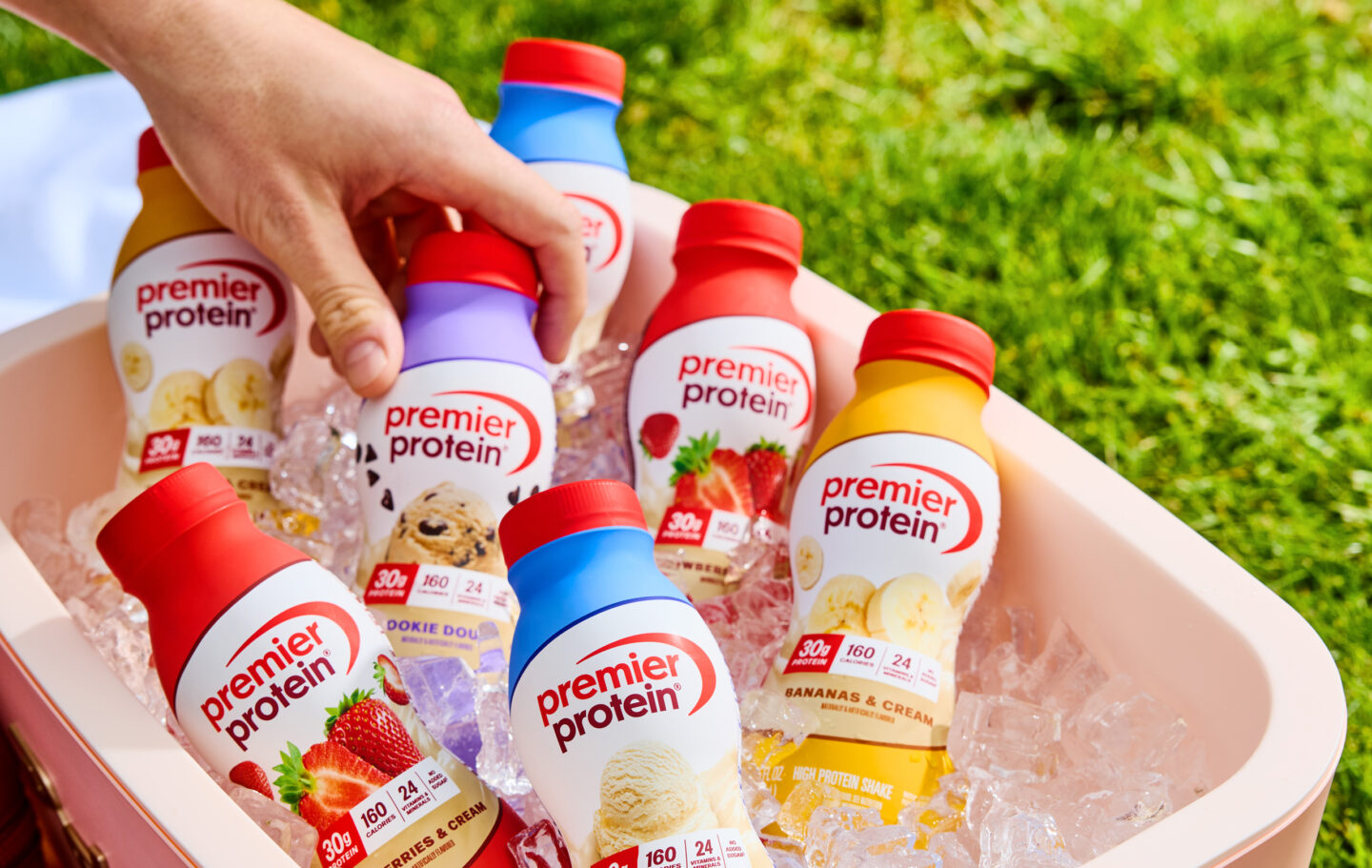
They are now competing directly with companies that have spent years building brand recognition, including global players like Glanbia, Cellucor, Premier Nutrition, and others.
Entering that competitive landscape requires a clear strategy, resources, and patience.
The Mistake Some Distributors Make
Some distributors try to push their private label by reducing focus on the established brands they currently distribute.
The intention is to shift sales from existing brands toward their own product.
But sometimes this strategy weakens both sides of the business.
The recognized brand loses attention, while the private label struggles to gain traction.
Instead of growing, the distributor may end up losing momentum in both categories.
Why Strategic Brand Partnerships Matter
This is where strong brand partnerships can make a real difference.
At West Valley, we work closely with sports nutrition brands and distributors to create alignment between the product, the market, and the distribution strategy.
The brands we represent often provide valuable support to help distributors grow their category, including:
- Marketing support and brand visibility initiatives
- Promotional materials and merchandise such as shakers, apparel, towels, and other branded swag
- Retail positioning guidance to help products succeed in the right channels
- Strategic collaboration focused on long-term market growth
This kind of support helps distributors move product more effectively while strengthening the overall category.
Playing a Different Game
Launching a private label can be successful in certain situations—but it requires a different strategy and a long-term commitment to building a brand.
Simply copying existing products and placing a new label on them rarely creates lasting success.
If distributors want better results, they need to play a different game, not just replicate the same one under a new name.
Because in the end, the difference between a product and a brand is not just what’s inside the container.It’s the story, the trust, and the ecosystem built around it.